
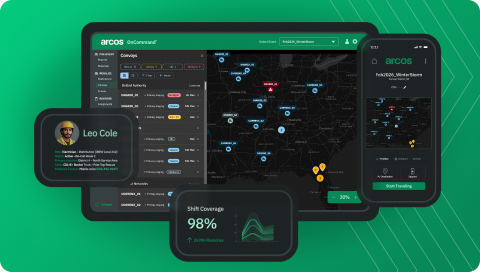
Manual scheduling is still one of the biggest hidden sources of unnecessary overtime, compliance exposure, and readiness risk in utility operations. Yet many teams still manage these complex processes through spreadsheets, emails, and supervisor memory. That’s a huge challenge once the schedule needs to change—supervisors are forced to coordinate across disconnected tools while trying to juggle coverage, fairness, and complex labor rules.
In this session, we’ll show how utilities are modernizing schedule management with rules-based automation and digital exception workflows, helping teams to navigate day-to-day schedule changes more efficiently, apply labor rules consistently, and maintain coverage without adding administrative burden.
You’ll learn:
- How to manage schedule changes while consistently enforcing fatigue, overtime, and labor rules
- How to fill open shifts faster with rules-based assignment
- How to improve visibility, fairness, and auditability
- How to enable employee self-service while maintaining control and compliance
Speaker:
.png?width=169&height=169&name=EmilyGray%20(1).png)
Emily Gray, Principal Sales Engineer, Arcos
Leveraging a strong background in sales engineering and utility-focused solution design, Emily Gray brings deep expertise in workforce scheduling, storm response, and resource management for electric and gas utilities. As a Principal Sales Engineer at ARCOS, she leads high-impact discovery, demo strategy, and solution design, helping organizations navigate complex operational challenges and align technology with real-world processes.