

Utility scheduling is rarely a matter of simply building a schedule and publishing it. Vacation requests, sick calls, shift swaps, labor rules, and changing operational priorities can turn the schedule into a constantly moving set of exceptions. In this webinar, we’ll walk through a practical “scheduling stress test” using common utility scenarios to help teams assess where their current process holds up, where complexity creates friction, and what becomes possible when scheduling rules and exceptions are managed in a more structured, automated way. The session will close with scenario-based demonstrations and practical guidance for evaluating readiness for automation.
What you'll learn
- How to stress-test your current scheduling process against common scenarios such as PTO, sick calls, shift swaps, coverage changes, and overtime.
- Where manual scheduling creates hidden operational friction across workforce visibility, rule enforcement, supervisor workload, and schedule changes.
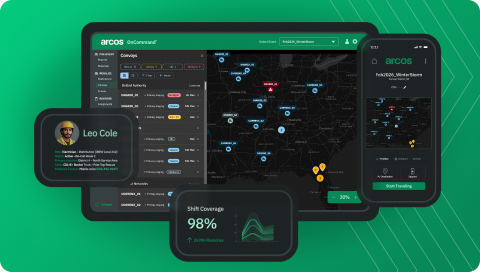
- What a more automated scheduling model can look like in practice, including how automation can help manage changing schedules and complex workforce rules.
Speaker
.png?width=169&height=169&name=EmilyGray%20(1).png)
Emily Gray, Principal Sales Engineer, Arcos